
Bitcoin ATM Scam Targeting Senior Citizens.
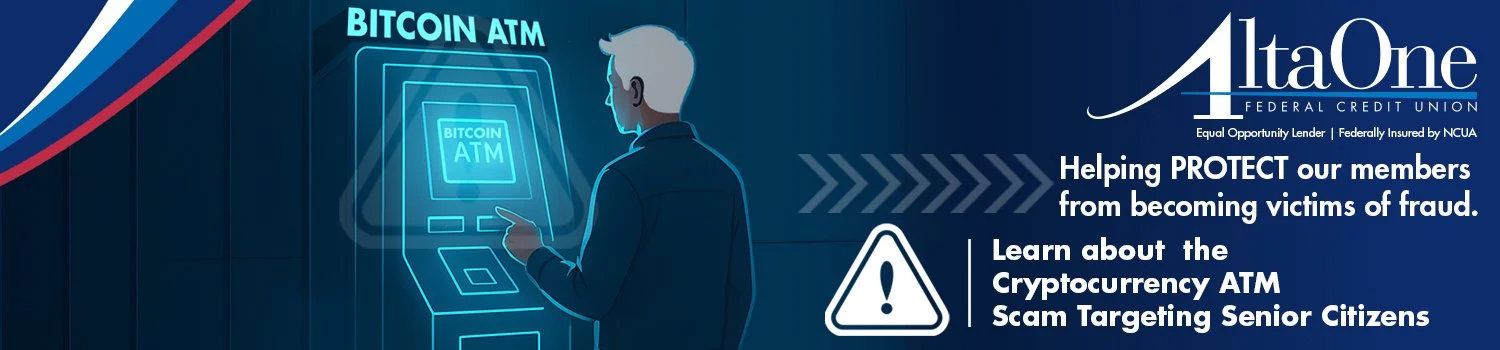
Bitcoin ATMs (known at BTMs) are machines that allow customers to purchase cryptocurrency with cash. Scammers are currently using these BTM’s to direct victims to send those funds straight to fraudsters’ digital wallets.
Many banks are reporting that they are seeing an increase in elderly customers wanting to withdrawal large sums of cash because they are being directed by scammers to deposit money in accounts through Cryptocurrency ATM such as Bitcoin ATMs. In some cases banks are unable to stop the victim to explain that they are being scammed, and other times the bank doesn’t know until after the event because the customer will say the money is for a different purpose.

Here are some of the warning signs displayed when someone may be the victim of this scam:
The victim is usually on a mobile phone with someone (sometimes on speaker phone and the person who is trying to scam them is yelling at them to send them money.
The victim will request large stacks of bills to deposit.
The victim appears very distraught
The victim is at Cryptocurrency ATMs for long periods of time making deposits.
There are Cryptocurrency ATMs and Bitcoin BTM’s located in Ridgecrest, Inyokern, Bakersfield and many other cities throughout Kern, Inyo, Mono, and San Bernardino counties. If you receive a phone call or email that directs you to pay someone through a Cryptocurrency ATM or Bitcoin BTM. STOP. It’s more than likely a scam. Scammers have been known to identify themselves on the phone/email as utility companies, billing agents, and even loved ones to try to lure elderly into sending them money.
Staying vigilant and educating our senior citizen community about these scams will help keep our community financially safe.
Here is how senior citizens can spot common crypto scams
Urgent demands for payment — Scammers often pose as government agents, utility companies, or tech support and pressure victims to “pay immediately” using bitcoin ATMs.
Instructions to deposit at a BTM — Any request to buy cryptocurrency at an ATM and send it to a stranger’s digital wallet is a red flag.
Unfamiliar contacts — Calls, emails, or texts from unknown numbers directing you to transfer money are almost always fraudulent.
Too-good-to-be-true offers — Promises of guaranteed returns, sweepstakes winnings, or quick profits in crypto are a common hook.
Refusal to provide details — Scammers discourage victims from speaking with family, banks, or law enforcement.
How to Protect Yourself From Scams With These Simple Tips:
Always take a moment to verify the identity of any unknown caller or email sender before responding.
NEVER share personal or financial information unless you’re absolutely certain you know who you’re in contact with.
If a message feels rushed or threatening, it’s probably a scam. Take a moment to verify.
If something feels suspicious, report it to the proper authorities or your financial institution. Spotting scams early and reporting them can help protect you and others. Remember, staying cautious is your best line of defense!


